Mineral Broth and the Art of Deep Nourishment
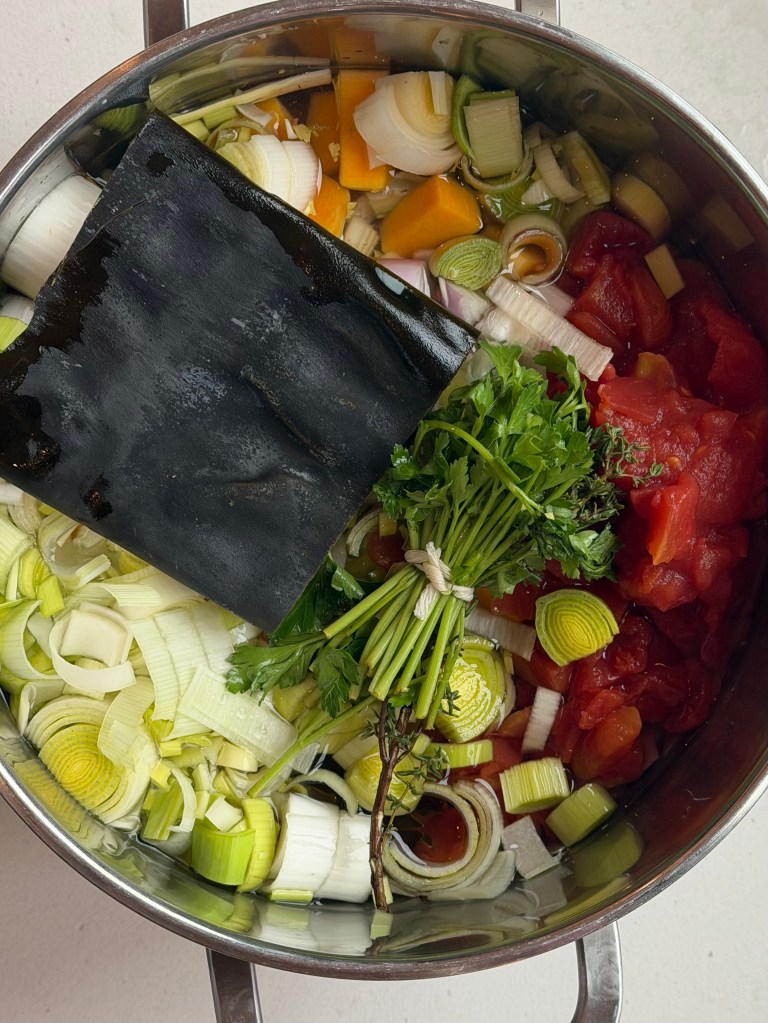
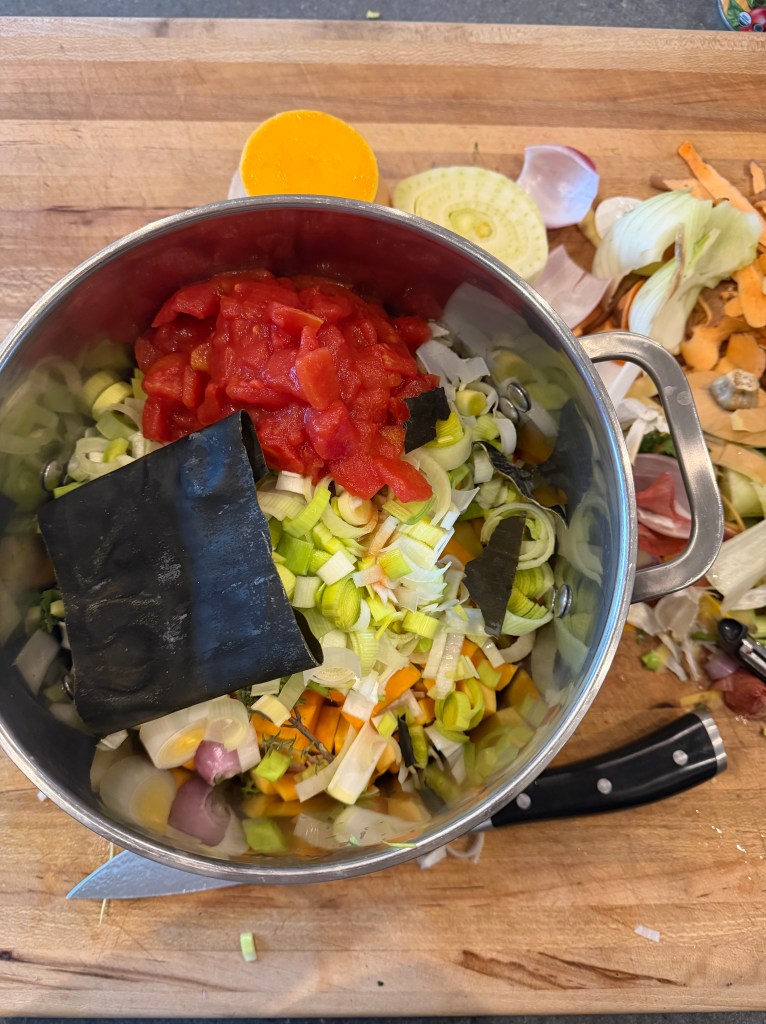
Recently I made a simple vegetable mineral broth filled with carrots, leeks, mushrooms, squash, herbs, and kombu seaweed. It simmered quietly on the stove for hours. The aroma filled the kitchen. It feels grounding and restorative. It was the scent that makes a home feel calm and alive at the same time.
While it cooked, I kept thinking about how something so simple can be incredibly supportive for the body. A broth like this especially benefits hydration, connective tissue, and fascia health.
In a culture that often looks for complicated solutions, sometimes the most restorative practices are also the oldest.
A pot of broth slowly simmering on the stove is one of them.
This post begins The Slow Healing Series. It is a six week exploration of nourishment, fascia health, and the nervous system. It also covers the gentle daily practices that help the body restore itself.
What Is Fascia and Why Does It Matter
Fascia is the body’s connective tissue network. It surrounds muscles, organs, bones, nerves, and blood vessels, creating the internal web that holds the body together.
You can think of fascia as a living fabric that allows everything in the body to glide and move smoothly.
Healthy fascia is hydrated, elastic, and fluid. It allows the body to move comfortably and efficiently.
But fascia can become tight or restricted due to dehydration, inflammation, stress, repetitive movement, or poor nourishment. When fascia loses hydration and elasticity, people often experience stiffness, soreness, and reduced mobility.
The encouraging news is that fascia responds incredibly well to supportive practices, especially hydration, gentle movement, and nourishing food.
The Role of Minerals in Fascia Health
Fascia is made largely of water and collagen fibers. This means that hydration and minerals play a huge role in keeping it healthy.
Minerals support the body’s electrical system. They help regulate muscle relaxation, nerve signaling, and cellular hydration.
A mineral rich broth provides nutrients that help the body maintain fluid balance. It supports connective tissue repair and reduces inflammation. It also relaxes muscles and fascia. Additionally, it supports communication between cells.
Unlike many supplements, broth delivers minerals in a gentle and highly absorbable form.
Across many cultures, mineral broths have long been used as foundational healing foods. They nourish the body without overwhelming it.
Why This Vegetable Mineral Broth Is So Nourishing
Each ingredient in a mineral broth contributes something important.
Carrots and sweet potatoes offer antioxidants and beta carotene that support tissue repair.
Mushrooms contain compounds that help regulate inflammation and support the immune system.
Garlic supports circulation and offers natural antimicrobial benefits.
Leeks, celery, and shallots offer potassium and natural electrolytes that support hydration.
Herbs like parsley, thyme, bay leaf, and tarragon contribute trace minerals and calming plant compounds.
One of the most powerful ingredients in this broth is kombu seaweed. Sea vegetables are naturally rich in iodine, magnesium, calcium, and potassium. These minerals support thyroid health, muscle relaxation, and connective tissue function.
As these ingredients simmer slowly together, the water becomes infused with a wide spectrum of minerals and plant nutrients.
The result is a broth that supports the body at a deep cellular level.
Fascia Hydration and the Nervous System
One of the most fascinating things about fascia is how closely it interacts with the nervous system. Fascia holds sensory receptors that constantly communicate with the brain. When the nervous system is in a state of constant stress, fascia tends to tighten and become less fluid.
This is why practices that calm the nervous system can have such a powerful effect on the body. Slow meals, warm drinks, gentle movement, time in nature, and nourishing foods all signal safety to the body.
A warm bowl of broth seems simple, but it encourages relaxation and supports digestion and mineral absorption.
Sometimes healing begins with creating small moments where the body feels supported and at ease.
Food as a Foundation for Healing
Wellness conversations often focus on treatments and protocols. Still, one of the most powerful forms of care is daily nourishment for our bodies.
Mineral broths are a beautiful example of this. They are simple to make, deeply nourishing, and easy for the body to absorb.
Even more importantly, they invite us into a slower rhythm.
Making broth asks us to pause, to simmer, and to let time do some of the work.
Looking Ahead in The Slow Healing Series
Over the next six weeks in The Slow Healing Series, we will explore simple practices. These practices support the body’s natural ability to restore itself.
Upcoming topics will include understanding fascia and connective tissue. We will explore how hydration affects fascia and mobility. We will examine the role of the nervous system in healing. There will be discussions on foods that support connective tissue health. Participants will learn gentle movement practices that support fascia. We will also discover the healing power of gathering around nourishing food.
Sometimes the quiet practices turn out to be the most powerful ones.
And sometimes healing begins with something as simple as a pot quietly simmering on the stove.

Fascia Friendly Mineral Broth
A Restorative Vegetable Broth for Deep Nourishment
This simple vegetable broth is rich in natural minerals and gentle nourishment. Slow simmering vegetables, herbs, and sea vegetables allows the water to absorb trace minerals. It also absorbs antioxidants and plant compounds. These substances support hydration, connective tissue health, and overall vitality.
Warm broths like this are especially supportive for the fascia and nervous system. They offer minerals, hydration, and easily digestible nutrients. The body can absorb these nutrients quickly. The result is a deeply comforting broth that feels grounding, restorative, and quietly healing.
It can be enjoyed on its own as a warm cup of nourishment. It can also be used as a base for soups, grains, or vegetables.
Servings: 4
Ingredients
2 cups carrots, diced
1 cup leeks, split in half and well washed
1 cup shallots, thinly sliced
½ cup fennel, thinly sliced
¾ cup mushrooms, sliced
2 cups sweet potato, cubed
2 cups butternut squash, cubed
1 cup celery, chopped
4 cloves garlic
1 bouquet garni (parsley stalks, thyme, bay leaf, and tarragon tied together)
12 black peppercorns
1 sheet kombu seaweed
6 tomatoes, peeled, deseeded, and chopped
1 gallon water
Directions
- Place all ingredients except the peppercorns in a large pot. Add the water and bring to a gentle boil.
- Reduce heat and allow the broth to simmer uncovered for about 1½ hours. Check occasionally and add a little water if needed to keep the vegetables covered.
- Add the peppercorns and continue simmering for another 30 minutes.
- Strain the broth through a fine strainer into a bowl. For a clearer broth, strain once more through cheesecloth or a coffee filter.
- Allow the broth to cool, then refrigerate or freeze for later use.


Leave a Reply